


Table of Contents
Black tea is the world’s most widely consumed type of tea – and for good reason. Bold in flavour, rich in history, and backed by a growing body of scientific research, it offers numerous health benefits that set it apart from other teas.
In this guide, we explore what makes black tea unique, the many health benefits supported by current research, and how to get the most from every cup.
What Is Black Tea?
Like all true teas, black tea comes from the Camellia sinensis plant – the same plant behind green tea, white tea, and oolong tea. What makes black tea different is what happens after the leaves are picked.
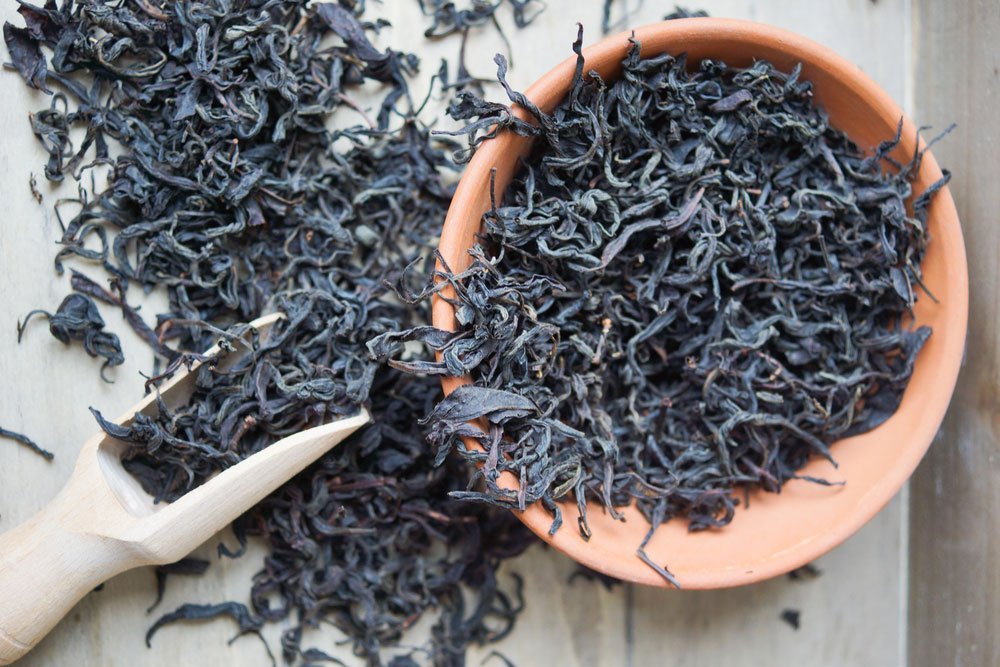
Black tea undergoes full oxidation – a process in which the leaves are rolled, exposed to air, and allowed to darken completely before being dried. This transforms both the flavour and the chemical composition of the leaf. The result is a tea with a deeper colour, a bolder body, and a set of compounds not found in less oxidised teas.
The most notable of these are theaflavins – a group of polyphenols that form exclusively during oxidation. Theaflavins account for roughly 3-6% of the total polyphenols in black tea and are responsible for many of its unique health properties. While black tea shares core antioxidants like catechins with green and white tea, the presence of theaflavins gives it a distinct advantage in certain areas – particularly cardiovascular health and cholesterol management.
China has a long and rich tradition of black tea production, with famous varieties including Keemun, Lapsang Souchong, and Dianhong (Yunnan black tea). Among the many types of Chinese tea, black tea stands out for its versatility – equally enjoyable on its own, as the base for classics like Earl Grey, or served with milk. Its bold character has made tea drinking a daily ritual for millions of people around the world.
8 Science-Backed Health Benefits of Black Tea
1. Rich in Unique Antioxidants
All teas from the Camellia sinensis plant contain polyphenols – plant-based compounds with powerful antioxidant activity. What makes black tea distinctive is its particular antioxidant profile.
Black tea is rich in dietary flavonoids – the same class of antioxidants called flavonoids found in red wine, berries, and dark chocolate. It also contains theaflavins and thearubigins – compounds created during the oxidation process that are largely absent from green or white tea. Together, these compounds help fight free radicals, reduce oxidative stress, and may support immune health by protecting cells from damage linked to chronic disease.
For the highest concentration of these beneficial compounds, brewing from quality loose leaf tea is recommended over standard black tea bags, which typically contain lower-grade, broken tea leaves with less antioxidant potency.
2. Supports Heart Health
Cardiovascular health is one of the most well-researched areas when it comes to black tea’s benefits – and the evidence is encouraging.
The theaflavins in black tea have been shown to help reduce total and low-density lipoprotein (LDL) cholesterol levels – often referred to as “bad” cholesterol. LDL contributes to the build-up of fatty deposits in blood vessels, a process known as atherosclerosis, which significantly increases the risk of coronary heart disease and stroke.
Beyond cholesterol and blood lipids, the flavonoids in black tea support healthy blood vessel function, improve circulation, and may help lower systolic blood pressure and diastolic blood pressure. A randomised controlled trial and subsequent meta-analysis found that regular black tea consumption was associated with meaningful blood pressure reductions and a decreased risk of major cardiovascular events.
One particularly noteworthy finding: research suggests that with each additional cup of tea consumed daily, the risk of heart disease decreases incrementally. Making black tea a daily habit may be one of the simplest ways to support long-term heart health.
3. May Reduce the Risk of Stroke
Stroke – caused by a blockage or rupture in the blood vessels supplying the brain – remains one of the leading causes of death globally. It is closely linked to high blood pressure, elevated cholesterol, and blood clotting abnormalities.
The polyphenols in black tea may help address several of these risk factors simultaneously. Research has found that people who drink at least two cups of black tea daily may have a notably lower risk of stroke compared to non-drinkers. A placebo-controlled crossover study also demonstrated that black tea consumption was associated with significant improvements in vascular health markers linked to stroke prevention.
4. May Sharpen Focus and Mental Clarity
Black tea contains a moderate amount of caffeine – typically 50 to 90 mg per cup, roughly half what you would find in a standard coffee. This provides enough of a lift to improve alertness without the intensity or crash that coffee can sometimes bring.
What makes black tea particularly effective for mental performance is the combination of caffeine with L-theanine, an amino acid that promotes calm focus. While caffeine’s stimulating effects on their own can produce a jittery, uneven energy boost, L-theanine smooths out the experience and may even help reduce stress, resulting in a state of steady, sustained concentration.
Studies comparing black tea consumption to water intake have shown that participants who drank black tea performed significantly better in both memory and executive function tasks – suggesting that the cognitive and mental health benefits of black tea go beyond simple mental alertness. For a deeper comparison of how much caffeine tea has compared with coffee, see our dedicated guide.
5. May Help Regulate Blood Sugar
Managing blood sugar levels is critical for metabolic health, and there is growing evidence that black tea may offer support in this area.
Drinking black tea with meals – without added sugar or milk – has been linked to improved postprandial blood sugar control, meaning it may help reduce the spike in blood glucose that typically follows eating. Unlike a high sugar beverage such as juice or soft drink, unsweetened black tea supports the body’s ability to manage glucose effectively. This effect is thought to be driven by the impact of tea polyphenols on carbohydrate metabolism and insulin sensitivity.
Clinical research involving pre-diabetic adults has shown that black tea extract can reduce blood glucose spikes following meals. A 2021 study on Chinese adults also suggested that daily tea drinkers had a measurably lower risk of diabetes-related mortality.
For those managing or looking to prevent type 2 diabetes, black tea may be a worthwhile addition to a broader dietary strategy – though it should not replace medical advice or treatment.
6. May Support Digestive Health
This is a benefit that has been recognised in traditional Chinese medicine for centuries, and one that distinguishes black tea from its less oxidised counterparts.
Because of the full oxidation process, black tea tends to be gentler on the stomach than green tea, which can sometimes cause discomfort when consumed on an empty stomach due to its higher catechin content. Black tea’s theaflavins and tannins may actually support the stomach lining and promote healthy digestion.
In traditional practice, black tea with a small amount of milk or honey has long been recommended as a soothing drink for those with sensitive stomachs. While rigorous clinical trials in this area are limited, the anecdotal and traditional evidence is extensive – and there is growing scientific interest in the role of tea polyphenols in supporting gut health. Early research suggests that the polyphenols in black tea may act as prebiotics, encouraging the growth of beneficial gut bacteria while helping to suppress bad bacteria – though more human studies are needed to confirm these effects.
7. Contains Compounds with Anti-Cancer Potential
Cancer prevention research involving tea polyphenols has been ongoing for decades, with promising but still-developing results.
Black tea’s polyphenols – including theaflavins and flavonoids – have demonstrated anti-cancer properties in laboratory studies, showing the ability to inhibit the growth of cancer cells and trigger cell death in certain types of tumours. One study found that black tea consumption was associated with a lower cancer risk for squamous cell carcinoma, a common form of skin cancer. A review of 64 studies also suggested that tea in general may contribute to a reduced risk of oral cancer, with ongoing investigation into potential benefits for breast cancer, lung, and thyroid cancers.
It is important to note that these findings are largely observational or laboratory-based, and more controlled human trials are needed before definitive conclusions can be drawn. Drinking black tea is not a cancer treatment, but the early evidence supports its place as part of a health-conscious lifestyle.
8. May Be Associated with Greater Longevity
Perhaps the most compelling finding from recent research: regular black tea consumption may be linked to a longer life.
A large-scale study found that participants who drank two or more cups of black tea daily had a risk of death from all causes that was nearly 13% lower compared to non-tea drinkers. This association was particularly strong among those with higher cardiovascular risk factors and appeared to hold across different demographics and dietary patterns.
These longevity benefits likely reflect the cumulative effects of black tea’s other properties – cardiovascular protection, blood sugar support, antioxidant activity, and anti-inflammatory action – working together over the course of years and decades.
Is Black Tea Safe?
Black tea is safe for the vast majority of healthy adults when consumed in moderate amounts. However, because it contains more caffeine than green or white tea, there are a few things worth keeping in mind:
- Caffeine intake: A typical cup of black tea contains 50-90 mg of caffeine. Most health guidelines recommend keeping total daily caffeine intake below 400 mg – and this includes caffeine from all sources (coffee, soft drinks, medications, and other teas).
- Sleep: If you are sensitive to caffeine, it is best to enjoy black tea earlier in the day to avoid disrupting your sleep.
- Pregnancy: Pregnant women are generally advised to keep caffeine intake below 200 mg per day. Two cups of black tea is usually within this limit, but it is important to account for all caffeine sources.
- Iron absorption: Like other teas, black tea contains tannins that may reduce the absorption of non-haeme iron. If this is a concern, wait at least an hour after eating before drinking tea.
- Kidney stones: Black tea contains oxalates, which in very high quantities may contribute to the formation of kidney stones in susceptible individuals. Moderate consumption (three to four cups daily) is unlikely to pose a risk, but those with a history of oxalate-related kidney stones should consult their doctor.
For a more detailed breakdown, see our article on black tea side effects and things to avoid. If you are looking for a caffeine-free alternative, herbal tea options such as chamomile or rooibos can offer a soothing evening drink without the stimulant effects.
How to Get the Most from Your Black Tea
The quality of your tea and how you brew it can significantly influence the health benefits you receive. A few tips:
- Choose whole leaf over tea bags: Premium loose leaf black tea retains more of its beneficial compounds than the broken, dust-grade leaves typically found in commercial tea bags.
- Brew at the right temperature: Black tea benefits from hotter water than green or white tea – around 90-100°C is ideal for hot tea. Steep for three to five minutes depending on the variety.
- Minimise additions: While a splash of milk is fine, loading your tea with sugar negates many of the metabolic benefits. Try to enjoy it plain or with minimal sweetener.
- Be consistent: The research consistently shows that the benefits of black tea are cumulative – regular, daily consumption yields the best results.
For detailed brewing instructions, see our comprehensive Chinese tea brewing guide.
Frequently Asked Questions
Is black tea healthier than green tea?
Both teas offer significant health benefits, but with different strengths. Black tea is richer in theaflavins and may have a stronger effect on cholesterol and cardiovascular markers, while green tea is higher in catechins like EGCG. For a detailed comparison, see our article on green tea vs black tea: which is healthier.
How many cups of black tea should I drink per day?
Most research points to two to four cups daily as the optimal range for health benefits. This provides a meaningful intake of polyphenols while keeping caffeine levels comfortable for most adults.
Can I drink black tea on an empty stomach?
Black tea is generally better tolerated on an empty stomach than green tea, thanks to its lower catechin content and the presence of theaflavins. That said, those with particularly sensitive stomachs may still prefer to have it after a light meal or snack.
Can black tea help with weight loss?
There is some evidence that the caffeine and polyphenols in black tea may support modest fat burning and boost metabolic rate, particularly when combined with regular physical activity. However, the effect is small and black tea should not be relied upon as a weight loss solution. It is best viewed as one component of a broader approach to good health.
How does black tea compare to coffee?
Both beverages contain caffeine, but black tea delivers it alongside L-theanine, which helps moderate caffeine’s stimulating effects and promotes steadier energy. Black tea also provides a wider range of polyphenols. For those looking to reduce their coffee intake without losing the alertness benefit, learning how black tea fits into your routine can be a great starting point.
Who can particularly benefit from drinking black tea?
Based on the current body of research, black tea may be especially beneficial for individuals managing high blood pressure, elevated cholesterol, pre-diabetes, or those with an increased risk of cardiovascular disease. If you are looking to incorporate black tea into a health-focused lifestyle, two to four cups daily is a good starting point. Of course, tea should complement – not replace – medical treatment and a balanced diet.
The Bottom Line
Black tea is far more than a comforting daily ritual. Backed by a growing body of research, it offers a distinctive combination of antioxidants, cardiovascular support, and metabolic benefits that make it one of the most functional beverages available.
The difference, as always, comes down to quality. Mass-produced tea bags cannot match the depth of flavour or concentration of beneficial compounds found in carefully sourced, whole leaf tea. Our Chinese black tea collection features hand-selected varieties from China’s most renowned growing regions – dispatched from Melbourne within one business day.
