


Herbal taste tea refers to teas that naturally express plant-based, soothing and gently aromatic qualities reminiscent of fresh herbs, wild vegetation or soft medicinal notes found in traditional Chinese mountain environments. This profile often appears in teas with minimal processing, teas from ancient-tree forests or teas that have aged over time. Herbal teas are valued for their calm, grounding presence and their quiet connection to nature.

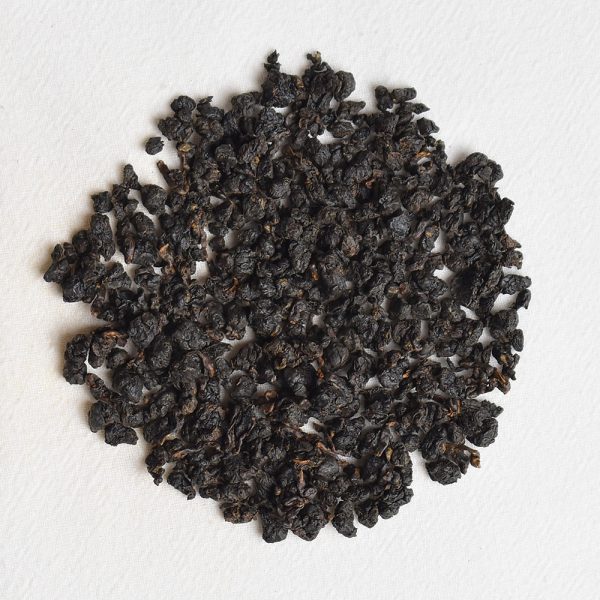


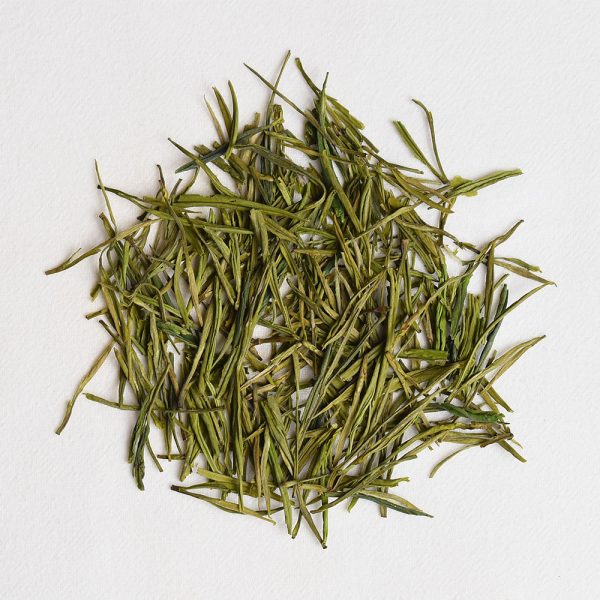
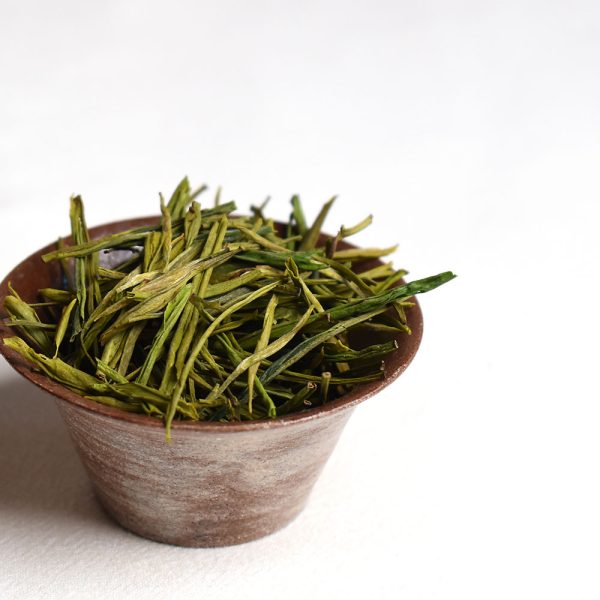


What Herbal Taste Tea Means
In Chinese tea appreciation, a ‘herbal taste’ reflects natural botanical notes that come from the leaf’s own compounds rather than added herbs. This character may evoke wild grasses, mountain plants or the soft purity found in traditionally crafted white and oolong teas.
Herbal teas are admired for their tranquil, balanced and nature-linked qualities.How Herbal Characteristics Develop in Tea
Herbal qualities often emerge through a combination of traditional and environmental factors, including:
- Minimal processing, which preserves the leaf’s natural plant nuances
- Ancient-tree growth, where deep roots absorb complex compounds from mountain soil
- Slow, natural aging, encouraging subtle herbal depth to form over the years
- Light oxidation, which allows the leaf’s innate character to remain clear
- Pure high-mountain environments, rich in wild vegetation and clean air
These influences give herbal taste teas their authentic, unaltered character.Regions Known for Herbal Taste Tea
Several celebrated regions in China are known for producing teas with herbal qualities, such as:
- Fuding in Fujian, renowned for white teas that preserve natural plant purity
- Yunnan’s ancient forests, where old trees impart rich herbal and botanical complexity
- Wuyi Mountains, where certain oolong cultivars develop refined, nature-driven depth
These places share a philosophy of gentle processing and respect for the leaf’s original character.Tea Styles Commonly Found in This Category
Herbal taste tea may be found within:
- White teas, especially those with minimal intervention or extended aging
- Ancient-tree teas, where deep roots and natural environments influence the leaf
- Traditional oolongs, particularly those known for soft, nature-driven nuance
- Certain black teas, where forest-grown material contributes subtle botanical depth
This broad diversity emerges from the leaf’s ability to reflect its surrounding environment.Why People Choose Herbal Taste Tea
Tea drinkers gravitate toward herbal teas for their:
- Calm and soothing nature
- Close connection to mountain environments and natural purity
- Gentle complexity that reveals itself gradually
- Association with quiet, thoughtful tea sessions
Herbal teas appeal to those who enjoy subtlety, balance and a feeling of natural harmony.Herbal Notes in Chinese Tea Culture
Herbal qualities have long been associated with well-being, purity and the healing presence of nature. Many traditional tea-growing regions embrace the idea that tea should reflect its landscape, and that botanical depth represents the leaf’s original vitality.
Aged white teas and ancient-tree teas, in particular, are valued for their ability to express these serene, plant-based characteristics shaped by time and environment.Why Choose Herbal Taste Tea From Hey China
At Hey China we offer a curated selection of teas that naturally express herbal qualities, including aged white teas, ancient-tree black teas and refined oolongs. Each tea is chosen for authenticity, regional integrity and the natural botanical depth that defines the herbal profile.
