


Table of Contents
Oolong tea sits in a category all of its own. Neither fully green nor fully fermented like black tea, it occupies a fascinating middle ground – one that produces an extraordinary range of flavours and a unique combination of health-promoting compounds. Although oolong tea accounts for only about 2% of the world’s tea production, it is one of the most commonly consumed teas across Asian countries – particularly China and Taiwan – and its popularity is growing rapidly in the West.
Since at least the Ming dynasty, oolong has been prized in Chinese tea culture for both its complexity and its beneficial properties. Modern scientific research is now catching up, with a growing body of evidence pointing to health advantages that span cardiovascular health, metabolism, brain function, and more.
In this guide, we explore what makes oolong tea unique, the key health benefits supported by current science, and how to prepare oolong tea for maximum enjoyment and effect.
What Is Oolong Tea?
Oolong tea (乌龙茶) is a traditional Chinese tea made from the leaves of the Camellia sinensis tea plant – the same plant used to produce green tea, white tea, and black tea. What sets oolong apart is its level of oxidation: while green tea is essentially unoxidised and black tea is fully oxidised, oolong is a partially fermented tea – anywhere from around 10% to 70%.
This wide oxidation range is what gives oolong its extraordinary diversity and unique taste. A lightly oxidised oolong like Tieguanyin can be floral, buttery, and almost green in character, while a heavily roasted Wuyi rock tea like Da Hong Pao delivers deep notes of stone fruit, mineral, and toasted grain. To explore these differences in more detail, see our guide on what oolong tea tastes like.
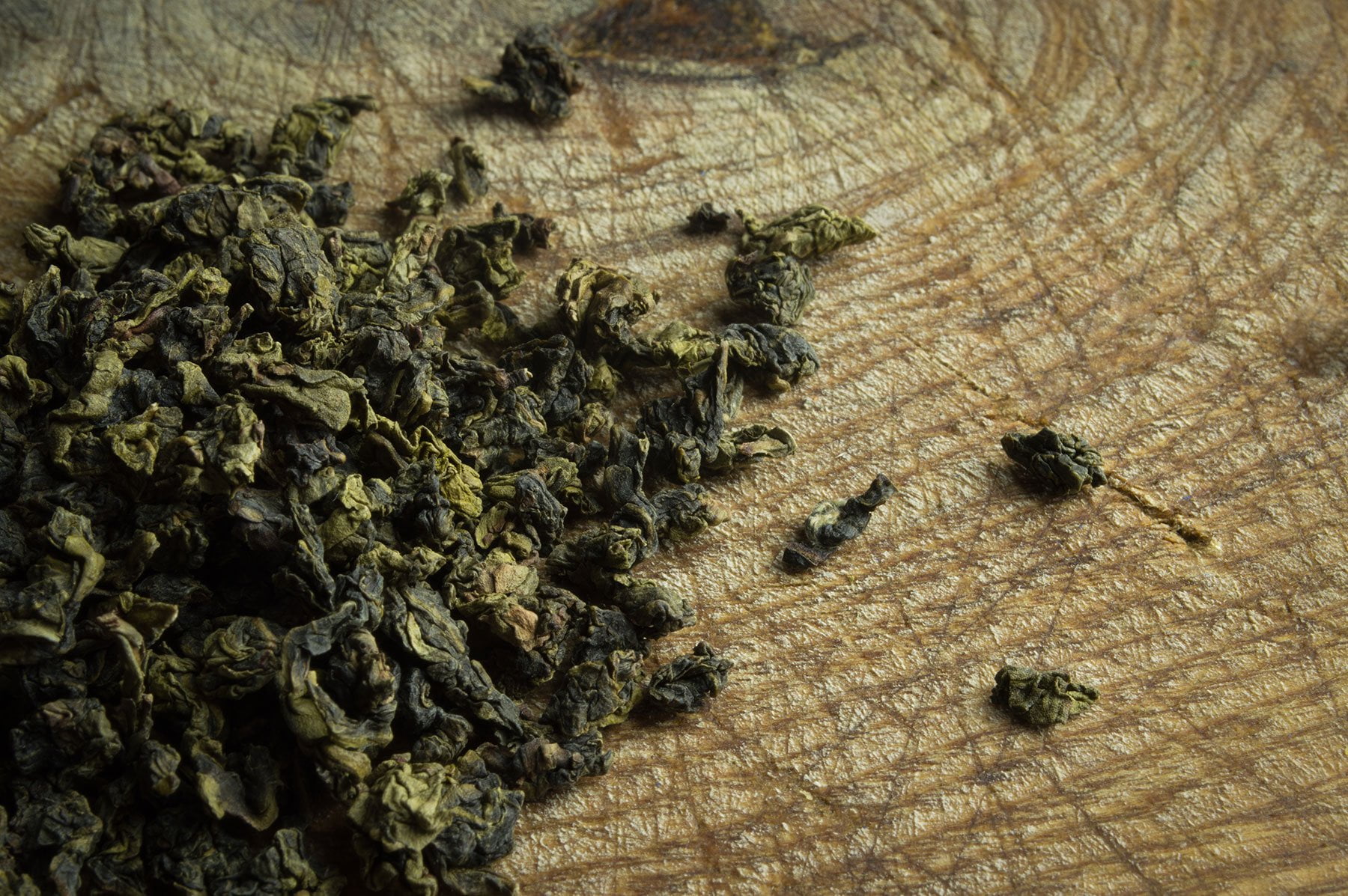
Oolong production is also the most technically demanding of any tea type. The oolong tea leaves are withered, then repeatedly tossed – either basket tossed by hand or tumbled mechanically – to bruise the edges and promote selective oxidation. They are then fixed, rolled, and roasted. The final shape of the leaves varies depending on region: some oolongs are tightly rolled into balls (rolled oolongs like Tieguanyin), while others are twisted into long, wiry strips (such as Dan Cong or Wuyi rock teas). This complex process is why oolong is sometimes called the “tea maker’s tea” – small variations in technique produce dramatically different results.
The most celebrated oolong-producing regions include Fujian province (home to Tieguanyin and the famous Wuyi rock teas), Guangdong province (home to Phoenix Dan Cong), and Taiwan (known for high mountain oolongs like Ali Shan and Dong Ding). For a deeper introduction, see our article on what exactly oolong tea is.
From a health perspective, oolong’s partial oxidation means it contains a distinctive mix of compounds: the catechins more commonly associated with green tea, the theaflavins found in black tea, plus its own unique polyphenol profile. This combination is central to the health benefits outlined below.
10 Science-Backed Health Benefits of Oolong Tea
1. Rich in Protective Antioxidants
Oolong tea delivers a potent blend of tea polyphenols – including catechins, theaflavins, and thearubigins – that work together to neutralise free radicals and reduce oxidative stress in the body. Because of its partial oxidation, oolong contains compounds from both ends of the tea spectrum, giving it a broader antioxidant profile than either green or black tea alone.
Some research suggests that certain oolong tea varieties may rival or even surpass green tea in total antioxidative activity, though results can vary depending on the specific tea, its origin, and how it is processed.
For the highest concentration of these beneficial compounds, brewing from quality loose leaf oolong tea is recommended over standard tea bags, which typically contain lower-grade, broken leaves.
2. Supports Heart Health
Regular oolong tea consumption has been linked to improvements in several key cardiovascular markers. The polyphenols in oolong may help improve blood vessel function, reduce LDL (“bad”) cholesterol, and support healthy blood pressure levels – three of the most significant risk factors for coronary artery disease and cardiovascular disease more broadly.
A large study of over 76,000 Japanese adults found that men who drank 240 ml or more of oolong tea daily had a substantially lower risk of heart disease. Another study from China reported that adults drinking one to two cups of green or oolong tea per day significantly lowered their increased risk of stroke.
While oolong tea does contain caffeine, which may temporarily raise blood pressure in some individuals, the amount per cup is modest (roughly 30-50 mg) and is unlikely to offset the broader cardiovascular benefits for most people.
3. May Help with Weight Management
The connection between tea consumption and weight management has been studied extensively, and oolong tea has shown particular promise in this area.
The combination of caffeine and polyphenols in oolong may help enhance fat oxidation and increase energy expenditure – essentially helping the body burn calories more efficiently. Animal studies have demonstrated that oolong tea extract can reduce body fat in diet-induced overweight subjects even alongside a high-fat diet. In human research, a small study involving obese subjects showed that oolong tea consumption was associated with increased resting energy expenditure and elevated plasma adiponectin levels – a hormone linked to improved fat metabolism.
That said, the effects are modest, and oolong tea should not be treated as a weight loss solution on its own. It is best viewed as one element of a broader approach that includes a balanced diet and regular physical activity.
4. May Help Regulate Blood Sugar
There is growing evidence that oolong tea may support blood sugar management, particularly after meals.
The polyphenols in oolong tea appear to improve glucose metabolism and insulin sensitivity, potentially helping to reduce the post-meal glucose spikes that are a concern for individuals with or at risk of type 2 diabetes. Research involving both diabetic and non-diabetic adults found that daily oolong tea consumption was associated with meaningful reductions in blood glucose levels.
However, the evidence on oolong specifically is more limited than for green or black tea, and not all studies have reached the same conclusions. More research is needed, and oolong tea should complement – not replace – medical advice for managing blood sugar.
5. May Support Brain Function and Mental Clarity
Oolong tea contains both caffeine and L-theanine – an amino acid that promotes calm, focused attention. This combination is one of the reasons tea drinkers often report a clearer, steadier form of alertness compared to coffee.
Caffeine increases the release of norepinephrine and dopamine – neurotransmitters associated with improved mood, attention, and cognitive performance. L-theanine enhances this effect by boosting alpha brain wave activity, which is associated with a state of relaxed focus.
Beyond short-term alertness, there is also evidence that habitual tea consumption may help protect against longer-term cognitive decline. A study found that regular black and oolong tea drinkers had a lower risk of cognitive impairment, while another study linked daily tea consumption to improved memory, executive function, and information processing speed in older adults.
For a comparison of how much caffeine tea has compared with coffee, see our dedicated guide.
6. May Reduce the Risk of Stroke
Stroke is closely linked to high blood pressure, elevated cholesterol, and poor vascular health – all areas where oolong tea’s polyphenols may offer protective benefits.
Research on tea intake has found that regular oolong tea drinkers may have a meaningfully lower risk of stroke. One study reported a 21% reduction in stroke risk among daily oolong tea consumers. These findings align with broader research showing that habitual tea consumption supports vascular health and healthy blood circulation.
7. Promotes Gut Health
Emerging research into the gut microbiome has highlighted tea polyphenols as a potential prebiotic – meaning they may help encourage the growth of beneficial gut bacteria while suppressing harmful strains.
A study found that drinking three cups of tea daily increased populations of healthy gut bacteria, including strains important for immune function and digestive tract health. Oolong tea’s unique polyphenol profile, shaped by its partial oxidation, may be particularly effective in supporting digestive balance and overall gut health.
While this area of research is still developing, the early findings are promising and consistent with the traditional Chinese view that oolong tea supports digestive wellbeing.
8. May Help Relieve Eczema
One of the more unexpected benefits of oolong tea is its potential to help manage eczema (atopic dermatitis).
In a study of 118 individuals with severe eczema, participants who drank approximately one litre of oolong tea daily – alongside their standard treatment – showed marked improvement within one to two weeks. Notably, the benefits persisted in over half of the participants five months later.
The anti-inflammatory and antioxidant properties of oolong tea’s polyphenols are thought to be behind this effect, helping to reduce the inflammation and oxidative stress that contribute to skin flare-ups. While the study was small and more research is needed, the results are noteworthy.
9. Supports Teeth and Bone Health
Oolong tea is a natural source of fluoride, calcium, and magnesium – minerals that support strong teeth and bones.
A long-term study found that people who drank black, green, or oolong tea daily over a ten-year period had measurably higher bone mineral density compared to non-tea drinkers, which may translate to a reduced risk of osteoporosis and fractures. Additional research has linked regular tea consumption to improved dental health, including reduced plaque build-up and a lower incidence of gum disease.
10. Contains Compounds with Anti-Cancer Potential
The polyphenols in oolong tea – particularly EGCG and other catechins – have demonstrated the ability to inhibit cancer cell growth and promote cell death in laboratory studies. Research has explored potential protective effects against several types of cancer, including oral, ovarian, lung, and colorectal cancers.
A systematic review looking at the effects of tea on cancer risk concluded that tea consumption was associated with a lower risk of oral cancer, with emerging evidence for other cancer types as well.
It is important to note that most research in this area has focused on green and black teas, with oolong falling somewhere between the two in terms of its polyphenol profile. While some placebo-controlled trials have explored tea’s protective effects, the findings remain promising but preliminary. Drinking oolong tea is not a substitute for cancer screening or treatment.
How to Brew Oolong Tea
Brewing method has a significant impact on the flavour, aroma, and health benefits of oolong tea. Here are two approaches:
Western Style
- Use approximately 2-3 grams of loose leaf oolong per 200 ml of water
- Heat water to 85-95°C (lighter oolongs benefit from slightly lower temperatures, while roasted varieties can handle hotter water)
- Steep for 2-4 minutes, adjusting the steeping time to your taste preference
- Good quality oolong can be re-steeped multiple times, with the flavour evolving beautifully across infusions
Gong Fu Style (Recommended)
For the fullest expression of oolong tea’s complexity, Gong Fu style brewing is the traditional method of choice. It uses a higher leaf-to-water ratio and shorter, repeated steeps – typically 15-30 seconds each, gradually increasing – in a gaiwan or small teapot.
This method allows the leaves to unfurl slowly and release different layers of flavour with each infusion. A good oolong can yield six to ten steeps or more, with each cup offering something slightly different.
For full brewing instructions, see our comprehensive Chinese tea brewing guide.
Possible Side Effects
Oolong tea is generally safe for most people when consumed in moderate amounts. However, like all teas from the Camellia sinensis plant, it does contain caffeine, and excessive intake may lead to:
- Difficulty sleeping, particularly if consumed late in the day
- Restlessness or jitteriness in caffeine-sensitive individuals
- Digestive discomfort in some people, especially on an empty stomach
- Reduced iron absorption due to the tannin content – those concerned about iron levels should wait at least an hour after meals before drinking tea
Most health guidelines recommend keeping total daily caffeine intake below 400 mg. A standard cup of oolong tea contains roughly 30-50 mg of caffeine, meaning that four to six cups per day is well within safe limits for most adults. Pregnant women are generally advised to limit caffeine to 200 mg per day.
If you are sensitive to caffeine or prefer a caffeine-free option in the evening, herbal teas such as chamomile or rooibos can be a good complement to your daytime oolong tea habit.
If you are taking medication or have specific health concerns, it is worth consulting your doctor before significantly increasing your tea intake.
Frequently Asked Questions
Is oolong tea healthier than green tea?
Both teas offer significant health benefits, but with different strengths. Green tea is higher in catechins like EGCG, which are strongly linked to antioxidant and anti-cancer research. Oolong offers a broader mix of polyphenols due to its partial oxidation and may have particular advantages for weight management and digestive health. Rather than choosing one over the other, many tea drinkers enjoy both as part of a varied routine.
When is the best time to drink oolong tea?
Oolong tea pairs well with meals – particularly rich or fatty foods, where it can aid digestion. Because of its moderate caffeine content, it is best enjoyed in the morning or early afternoon. Avoiding oolong tea within four to six hours of bedtime is a good practice for those sensitive to caffeine.
Can I drink oolong tea every day?
Yes. Daily oolong tea consumption is common across China and Taiwan and is generally considered safe. In fact, most of the research supporting oolong’s health benefits is based on habitual, daily consumption over extended periods.
What is the best oolong tea for beginners?
If you are new to oolong, a lightly oxidised Tieguanyin is a great starting point – it is approachable, floral, and forgiving to brew. From there, you might explore a Wuyi rock tea like Da Hong Pao for something richer, or a Phoenix Dan Cong for aromatic complexity. Our Chinese oolong tea collection includes options across the full spectrum.
The Bottom Line
Oolong tea is one of the most nuanced and rewarding teas you can drink – offering a distinctive combination of flavour complexity and functional health benefits that few other beverages can match.
From cardiovascular support and blood sugar regulation to gut health and cognitive protection, the evidence for oolong’s benefits continues to grow. And unlike supplements or extracts, these benefits come packaged in a beverage that has been enjoyed for centuries and is a genuine pleasure to drink.
As with all tea, quality matters. The difference between a mass-produced tea bag and a carefully crafted loose leaf oolong is enormous – both in flavour and in the concentration of beneficial compounds. Explore our Chinese oolong tea collection to discover hand-selected varieties from Fujian, Guangdong, and Taiwan – all available as premium loose leaf tea and dispatched from Melbourne within one business day.
