


Table of Contents
Pu’erh tea is unlike anything else in the tea world. It is the only tea that is deliberately aged, the only one that undergoes true microbial fermentation, and the only one that can genuinely improve over decades of proper storage – much like a fine wine.
For newcomers, pu’erh can seem mysterious and even intimidating. The terminology is unfamiliar, the production methods are complex, and the range of flavours – from bright and astringent to deeply earthy and smooth – is vast. But once you understand the basics, pu’erh becomes one of the most fascinating and rewarding teas you can explore.
In this guide, we cover everything from what pu’erh tea is and how it is made, to its health benefits, brewing methods, and storage. Whether you are tasting pu’erh for the first time or building a collection, this is a good place to start.
What Is Pu’erh Tea?
Pu’erh tea (普洱茶) is a post-fermented tea originating from Yunnan province in southern China. It takes its name from the town of Pu’er (formerly Pu’erh County), historically the main trading hub where tea from the surrounding mountains was bought, sold, and distributed across Asia. Today, pu’erh is celebrated worldwide for its complex flavours and numerous health benefits.
Like all true teas, pu’erh comes from the same plant as green, white, and black tea – Camellia sinensis. However, most high quality pu’erh tea is made from a larger leaf strain known as Camellia sinensis var. assamica – sometimes called “Dayeh” (大叶) or big-leaf tea. Many of these tea trees are ancient, with some estimated to be several hundred years old. The large, mature pu’erh tea leaves of these old trees produce a tea with greater depth, complexity, and ageing potential than younger plantation bushes.
What truly sets pu’erh apart from all other types of Chinese tea is its processing method. After the initial steps of withering, pan-firing, and sun-drying, the leaves undergo microbial fermentation – a living process driven by beneficial bacteria and fungi that fundamentally transforms the tea’s chemical composition, flavour, and character over time. Various environmental factors – including altitude, soil, rainfall, and the age of the tea trees – further influence the final result, which is why pu’erh from different mountains and regions can produce strikingly different flavours and a unique taste profile.
A Brief History
Pu’erh tea has a rich history stretching back to at least the Eastern Han Dynasty (25-220 CE). Trade in pu’erh grew during the Tang Dynasty, the tea gained fame during the Ming Dynasty, and it was popularised across China during the Qing Dynasty. The tea trees are typically harvested year-round, though many producers consider mid-spring to be the optimal time for picking, when the leaves carry the most flavour and vitality.
The tea was transported by mule and horse caravans along a network of ancient trade routes known as the Tea Horse Road (茶马古道), connecting Yunnan’s tea-producing mountains with Tibet, Southeast Asia, and beyond. Because these journeys could take months, traders discovered that compressed tea not only survived the trip but actually improved along the way – the combination of humidity, temperature fluctuation, and time triggering a natural fermentation that mellowed and enriched the tea’s flavour.
This accidental discovery is the foundation of the entire pu’erh tradition that continues today.
Sheng (Raw) vs Shou (Ripe) Pu’erh
Pu’erh tea comes in two fundamentally different styles, and understanding the distinction is essential:
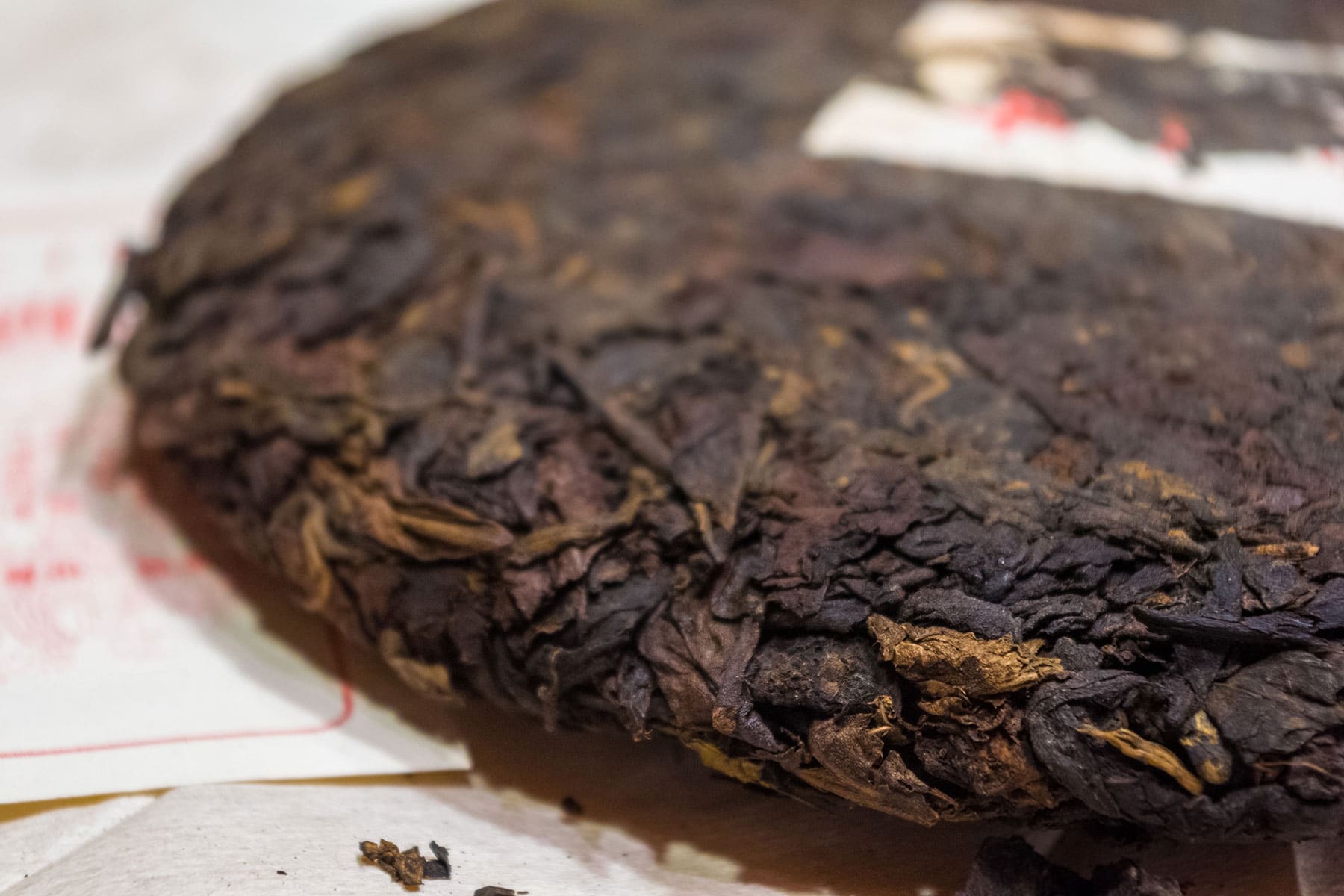
Sheng (生) – Raw Pu’erh is the traditional style. The base material is essentially processed like green tea leaves – withered, pan-fired, and sun-dried – before being compressed into tea cakes, bricks, or other shapes and placed into dry storage to age naturally over years or decades. Fresh sheng pu’erh can be bright, astringent, and even bitter – but with time and proper storage, it transforms into something remarkably smooth, complex, and sweet. Well-stored pu’erh is said to retain its freshness and continue improving for up to fifty years or more. A well-aged sheng pu’erh (15 years or older) is among the most prized and expensive teas in the world.
Shou (熟) – Ripe Pu’erh was developed in the early 1970s by the Kunming Tea Factory to simulate the character of aged raw pu’erh without the decades-long wait. The key innovation is a step called “wet piling” (渥堆), in which the processed leaves are heaped together in a hot, humid environment for 45-60 days, allowing accelerated microbial fermentation. The result is a tea that is dark, smooth, and earthy from the outset – ready to drink immediately, though it can also benefit from further ageing.
Both styles offer distinct pleasures. Sheng pu’erh rewards patience and offers the excitement of watching a tea evolve over the years. Shou pu’erh provides immediate gratification with its warm, comforting character. Many pu’erh enthusiasts enjoy both.
Explore our raw pu’erh collection and ripe pu’erh collection.
Forms and Shapes
Pu’erh is available in several forms:
- Tea cakes (饼茶) – the most traditional and common shape, typically 357g. To learn more, see our guide on what a Chinese tea cake is.
- Bricks (砖茶) – rectangular compressed blocks
- Tuo cha (沱茶) – small, bowl-shaped portions
- Loose leaf – uncompressed leaves in loose leaf form, convenient for everyday brewing
Compressed forms are generally preferred for long-term ageing, as the density of the cake slows the ageing process and allows the tea to develop more complexity over time.
Health Benefits of Pu’erh Tea
Pu’erh tea has been valued in traditional Chinese medicine for centuries, particularly as a digestive aid. Modern research is beginning to validate some of these traditional claims, though it is worth noting that many studies have used concentrated pu’erh extracts rather than brewed tea, and more human trials are needed.
1. May Support Digestive Health
This is perhaps the most well-established traditional use of pu’erh. In Chinese culture, pu’erh is commonly consumed after heavy or rich meals to aid digestion and relieve the sensation of fullness.
Because pu’erh undergoes microbial fermentation, it contains beneficial probiotics – live microorganisms similar to those found in yoghurt or kombucha. These probiotics may support gut health by promoting a healthy balance of intestinal bacteria. The fermentation process also produces organic acids and enzymes that may further assist with the breakdown of dietary fats.
While rigorous clinical trials are limited, the traditional evidence is extensive, and there is growing scientific interest in the role of pu’erh’s unique microbial profile in supporting digestive wellness.
2. May Help with Weight Management
Pu’erh tea has long been associated with weight management in Chinese traditional practice, and there is some modern evidence to support this.
Research suggests that pu’erh may influence weight through multiple pathways: reducing the synthesis of new fatty acids, increasing the breakdown of stored body fat, and improving the gut microbiome in ways that support metabolic health. Animal studies have shown that pu’erh extracts can suppress weight gain even when subjects are fed a high fat diet. A study involving human participants with overweight found that those who consumed pu’erh tea extract daily for 12 weeks showed improvements in body weight, body mass index, and abdominal fat measurements compared to a control group.
However, it is important to note that most of these studies used concentrated extracts delivering higher doses of active compounds than you would get from drinking brewed tea. Pu’erh can be a useful complement to a healthy diet and active lifestyle if you are looking to lose weight, but it should not be relied upon as a weight loss solution on its own. For more on this topic, see our guide to the best teas for weight loss.
3. May Help Improve Cholesterol
Several animal studies have found that pu’erh tea extracts may help reduce total cholesterol and LDL (“bad”) cholesterol levels, supporting healthier lipid metabolism overall. The proposed mechanism is twofold: pu’erh may increase the excretion of dietary fat through bile acid binding, and it may also help reduce fat accumulation in blood vessels and the body more broadly.
One theory is that the fermentation process produces small amounts of lovastatin – a compound found in cholesterol-lowering medications – though this has not been conclusively proven in human studies. The overall evidence suggests a potential cardiovascular benefit, particularly for individuals with high cholesterol, but more research involving brewed pu’erh tea (rather than extracts) is needed before strong conclusions can be drawn.
4. Rich in Antioxidants
Like all teas from the Camellia sinensis plant, pu’erh contains tea polyphenols with antioxidant properties. However, the fermentation process transforms the original catechins into a different set of compounds – including gallic acid, theabrownins, and other fermentation-derived antioxidants – that give pu’erh a distinct antioxidant profile.
These compounds may help reduce oxidative stress and protect cells from damage linked to chronic disease. Research also suggests that pu’erh’s antioxidants may have anti-inflammatory and antibacterial properties, though human studies in these areas remain limited.
5. May Support Blood Sugar Regulation
There is emerging evidence that pu’erh tea may help with blood sugar management. The probiotics produced during fermentation may play a role in improving insulin sensitivity and blood sugar control, which is relevant for individuals managing or looking to prevent type 2 diabetes.
Animal studies have shown promising results, and the traditional practice of drinking pu’erh after meals aligns with the idea that it may help moderate post-meal blood glucose spikes. However, more controlled human trials are needed, and pu’erh should not replace medical treatment for blood sugar conditions.
6. May Support Liver Health
Because pu’erh may help reduce fat accumulation, some researchers have explored its potential to support liver health – particularly in relation to non-alcoholic fatty liver disease (NAFLD), a condition in which excess fat builds up in the liver.
Animal studies have shown encouraging results, with pu’erh tea extract helping to reduce liver fat and protect against certain types of liver damage. This is a promising area of research, but human studies are still needed before any firm conclusions can be drawn.
7. Contains Compounds with Anti-Cancer Potential
In laboratory studies, pu’erh tea extracts have shown the ability to inhibit the growth of certain cancer cell lines, including breast, oral, and colon cancer cells. These findings offer a starting point for future research, but it is crucial to understand that applying concentrated extracts directly to cells in a laboratory is fundamentally different from the way drinking tea interacts with the body.
Pu’erh tea should never be considered a cancer treatment. The early evidence is interesting but preliminary, and the topic requires significantly more research.
How to Brew Pu’erh Tea
Pu’erh is one of the most forgiving teas to brew, and it rewards experimentation. Here are two approaches:
The Rinse
Regardless of brewing method, pu’erh should always be rinsed before the first infusion. Pour boiling water over the leaves, swirl briefly, and discard the water immediately. This serves two purposes: it washes away any dust or loose particles from the compressed cake, and it “awakens” the leaves, allowing them to begin opening before the first true steep.
For shou (ripe) pu’erh, many tea drinkers perform two rinses, as the first infusion of ripe pu’erh can sometimes carry a heavier, slightly murky quality that clears after rinsing.
Western Style
- Use approximately 3-5 grams of pu’erh per 200 ml of water
- Use freshly boiled water (95-100°C) – pu’erh can handle higher temperatures than most teas
- Steep for 2-4 minutes for the first infusion
- Pu’erh can be re-steeped multiple times; increase the steeping time slightly with subsequent infusions
Gong Fu Style (Recommended)
For the fullest experience, Gong Fu style brewing is how pu’erh is traditionally brewed in China. Use a gaiwan or a Yixing clay teapot (which absorbs and enhances the tea’s character over time).
- Use a generous amount of leaf – roughly 5-8 grams per 100-150 ml of water
- Pour boiling water directly onto the leaves
- Keep steeps short – 10-20 seconds for the first few infusions, gradually increasing
- A quality pu’erh can yield 10-15 steeps or more, with the flavour evolving beautifully across the session
For full brewing instructions across all tea types, see our comprehensive Chinese tea brewing guide.
Storing and Ageing Pu’erh
One of pu’erh’s most distinctive qualities is its ability to improve with age. Unlike most teas, which are best consumed within a year or two of production, properly stored pu’erh can develop increased complexity, smoothness, and depth over decades.
The key factors for successful ageing are:
- Air circulation – pu’erh needs some exposure to air (unlike other teas, which should be sealed airtight). Store cakes unwrapped or in breathable paper or cloth.
- Moderate humidity – too dry and the ageing slows to a crawl; too humid and the tea can develop mould. A relative humidity of 60-75% is generally ideal.
- Stable temperature – room temperature is fine; avoid extreme heat or cold.
- Away from strong odours – pu’erh readily absorbs surrounding scents, so keep it away from kitchens, spices, and cleaning products.
- Darkness – store away from direct sunlight.
For those new to pu’erh ageing, starting with a few cakes from different years is a wonderful way to taste the progression and develop your palate.
Caffeine Content and Safety
Pu’erh tea contains caffeine, typically in the range of 30-70 mg per cup depending on the age of the tea, the leaf grade, and the brewing method. Older pu’erh tends to contain less caffeine, as the fermentation and ageing process gradually breaks down caffeine over time. The first infusion also contains the most caffeine – subsequent steeps progressively less.
Pu’erh is generally considered safe for most healthy adults when consumed in moderate amounts. A few points to keep in mind:
- Most health guidelines recommend staying below 400 mg of caffeine per day from all caffeinated beverages combined. Three to five cups of pu’erh is well within this limit, and one or two cups per day is a sensible starting point.
- Pregnant women are advised to keep caffeine intake below 200 mg per day. Breastfeeding women should also limit caffeine, as small amounts can pass into breast milk.
- Consuming pu’erh in large quantities may cause side effects related to caffeine, including restlessness, difficulty sleeping, and in rare cases irregular heartbeat.
- Those taking medication for cardiovascular conditions, high blood pressure, or blood thinning should consult their doctor, as the caffeine in pu’erh (as with any caffeinated tea or coffee) may interact with certain medications.
For a broader comparison of tea caffeine levels, see our article on how much caffeine tea has compared with coffee.
Frequently Asked Questions
What does pu’erh tea taste like?
This depends enormously on the style and age. Young sheng (raw) pu’erh can be bright, floral, and astringent – sometimes with a pleasant bitterness that gives way to a sweet aftertaste. Aged sheng becomes smooth, complex, and sweet, with notes of dried fruit, camphor, or aged wood. Shou (ripe) pu’erh is typically earthy, smooth, and deeply mellow, with notes of dark chocolate, damp forest floor, or dried dates. The range across pu’erh is wider than almost any other tea category.
How long can pu’erh tea be aged?
There is no firm upper limit. Well-stored pu’erh has been enjoyed at 30, 40, and even 50+ years of age. However, not all pu’erh benefits equally from extreme ageing – the quality of the original material, the storage conditions, and the style of tea all play a role. For most drinkers, pu’erh in the 5-20 year range offers an excellent balance of aged character and accessibility.
Is pu’erh tea the same as dark tea?
Pu’erh is the most famous example of dark tea (黑茶), but not all dark tea is pu’erh. The dark tea category also includes Liu Bao from Guangxi, Fu Zhuan from Hunan, and other post-fermented teas from various Chinese provinces. What they share is microbial fermentation as a defining step in their production. This distinguishes dark teas from green, white, oolong teas, and black tea, which rely on oxidation rather than fermentation.
Can I drink pu’erh tea every day?
Yes. Daily pu’erh consumption is extremely common in Yunnan and across southern China. In fact, most of the health research on pu’erh is based on regular, habitual consumption. Even just one cup per day can be a worthwhile addition to your routine, though one to three cups is a good starting point for experiencing the full range of benefits.
When is the best time to drink pu’erh?
Traditionally, pu’erh is consumed after meals – particularly after heavy, rich, or fatty foods – to aid digestion. Its moderate caffeine content also makes it suitable for the morning or early afternoon. Aged pu’erh, which is lower in caffeine, can often be enjoyed later in the day without affecting sleep.
The Bottom Line
Pu’erh tea stands alone in the tea world. No other tea offers the same combination of living fermentation, ageing potential, historical depth, and health benefits. It is a tea that rewards curiosity and patience – whether you are drinking a young sheng and imagining what it might become in a decade, or savouring the smooth, effortless depth of a well-aged ripe.
As with all tea, quality is paramount. The difference between mass-produced pu’erh and carefully sourced material from old trees in Yunnan’s finest growing regions is enormous. Our pu’erh tea collection features hand-selected cakes and loose leaf options spanning a range of ages and styles – all available as premium tea and dispatched from Melbourne within one business day.
