


Yunnan is one of China’s most ancient and diverse tea regions, home to vast mountain forests, centuries-old tea trees and a tea heritage that stretches back thousands of years. Renowned for producing Pu-erh and rich black teas, Yunnan’s unique environment has shaped a tea culture rooted in tradition, biodiversity and deep historical significance.






Yunnan: High Mountains, Ancient Forests and Rare Tea Trees
Situated in China’s southwest, Yunnan features towering mountain ranges, deep valleys and dense subtropical forests that support exceptional biodiversity. Many of the world’s oldest tea trees grow in Yunnan, some believed to be more than a thousand years old.
The province’s warm climate, high altitude and abundant rainfall create ideal conditions for wild and cultivated tea alike. Regions such as Xishuangbanna, Lincang and Pu’er are known for their ancient tea forests, where deep roots, rich soil and natural shading contribute to Yunnan’s unique tea identity.Tea Culture and Historical Depth
Yunnan is considered one of the original birthplaces of the tea plant. Ethnic minority groups such as the Dai, Bulang and Hani have cultivated and harvested tea for generations, forming distinct traditions that predate many other Chinese tea regions.
The ancient Tea Horse Road, which connected Yunnan to Tibet, India and Southeast Asia, began here. Pu-erh tea became a key commodity along these routes, valued for its durability and ability to improve with age during long journeys.
Over time, Yunnan developed two major tea traditions: raw Pu-erh (sheng) and ripe Pu-erh (shou), each with its own processing methods and cultural importance.Xishuangbanna: Heartland of Pu-erh Tea
Xishuangbanna in southern Yunnan is one of the most important Pu-erh-producing regions. The area is known for its ancient tea mountains, including Yiwu, Bulang, Nannuo and Menghai. These mountains are rich in old-growth tea trees, many harvested by local communities using traditional methods.
Your collection includes numerous teas from these celebrated mountains, such as Menghai, Yiwu, Bulang and other ancient-tree Pu-erh cakes. These regions have long been central to the development of both raw and ripe Pu-erh, and they remain the foundation of Yunnan’s global reputation.Lincang and the Ancient Tea Tree Belt
Lincang is another major Pu-erh region, home to some of Yunnan’s oldest surviving ancient tea trees. Areas such as Bingdao, Xiaohusai and Fengqing are famous for old-tree cultivation and carefully preserved forests.
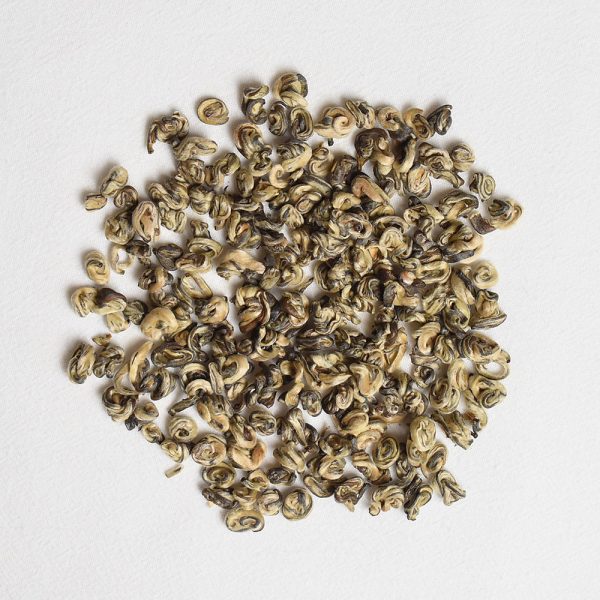
This region is also historically important for the development of modern Dianhong (Yunnan black tea), produced from large-leaf varietals originally native to these mountains. Your range includes several Yunnan black teas and ancient-tree black teas that reflect this regional heritage.Pu’er City and the Development of Ripe Pu-erh
The broader Pu’er region, named after the ancient trading town of Pu’er, played a major role in shaping the post-fermentation techniques that define modern ripe Pu-erh. The region became a production centre for compressed tea cakes, loose-leaf ripe Pu-erh and bricks designed for long-distance transport.
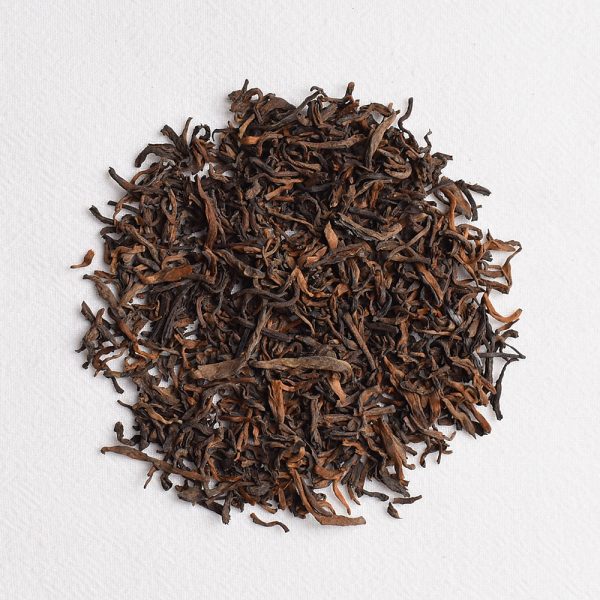
Many of your ripe Pu-erh cakes and loose-leaf selections — including golden bud, needle and emperor-grade offerings — reflect these long-standing traditions.Yunnan’s Signature Tea Styles
Yunnan is primarily known for:
- Pu-erh Tea (Raw and Ripe): produced across ancient tea mountains and highly valued for its historical and cultural significance
- Yunnan Black Tea (Dianhong): made from large-leaf cultivars and deeply connected to Lincang and other northern regions
- Ancient-Tree Teas: harvested from centuries-old forests, often preserved and managed by local communities
These styles represent some of China’s most distinctive tea traditions and highlight Yunnan’s unparalleled tea biodiversity.
