


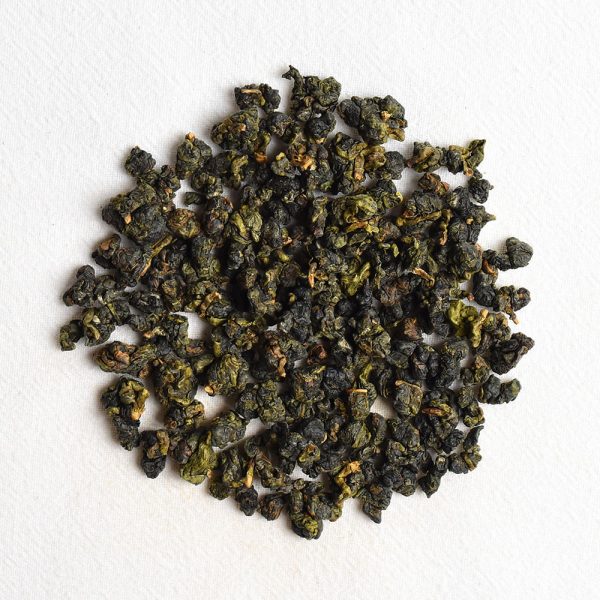
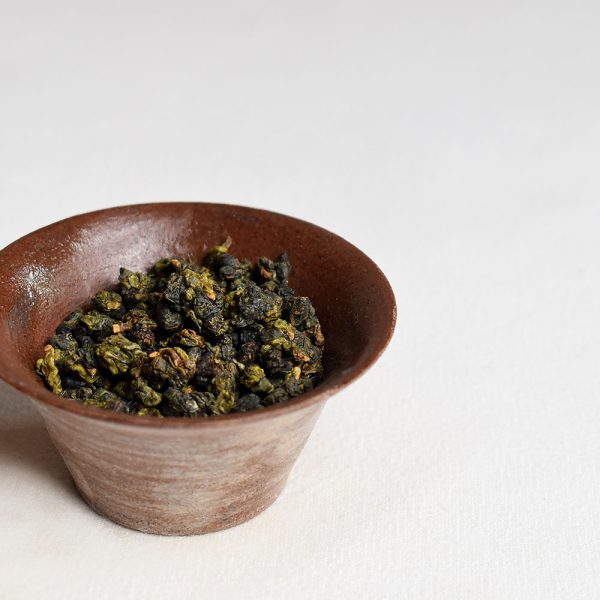
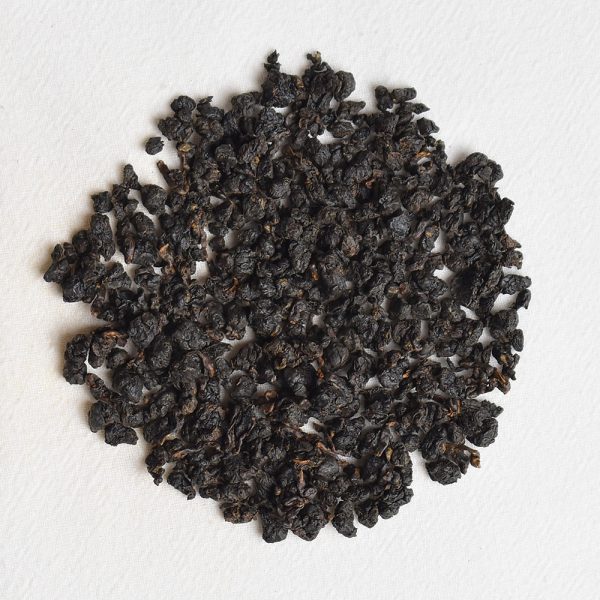
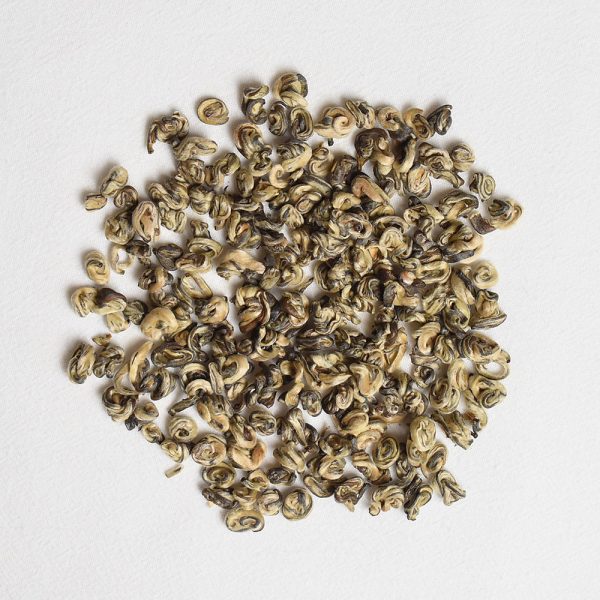
Floral taste tea refers to teas that naturally develop gentle, blossom-like characteristics through their cultivar, terroir and traditional processing. These teas offer an impression of freshness and elegance long celebrated in Chinese tea culture, where floral notes symbolise purity, spring energy and the beauty of nature captured within a cup. This category spans multiple regions and styles, each expressing florality in its own distinctive way.










What Floral Taste Tea Means
In Chinese tea appreciation, a ‘floral taste’ refers to natural aromatic qualities that evoke blossoms, wildflowers or garden fragrances. It is not created with added flowers or flavouring unless stated, but arises from the leaf’s inherent compounds, how it is grown and how it is processed.
Floral teas are praised for their clarity, delicacy and connection to the returning warmth of spring.How Floral Characteristics Develop in Tea
Floral qualities appear through a combination of factors such as:
- Cultivar genetics, especially those known for high-aroma potential
- High-altitude or misty growing environments, which preserve aromatic compounds
- Traditional fixation and drying, allowing natural aromatics to remain intact
- Light to medium oxidation, often used in teas where elegance is prioritised
- Expert shaping, ensuring the leaf retains its freshness
Across China and Taiwan, many artisans specialise in preserving this natural floral essence.Regions Known for Floral Taste Tea
Floral character is connected to several iconic tea regions, each known for its own expression of florality, including:
- Anxi in Fujian, home to fragrant Tieguanyin traditions
- Taiwan’s high mountains, where cool air creates naturally elegant oolongs
- Wuyi Mountains, where certain rock oolongs carry a refined floral edge through cultivar and roasting
- Jiangsu and Zhejiang, where classic green teas express soft spring florality
- Yunnan highlands, where old-tree teas can present subtle floral impressions shaped by altitude
Your selection spans all of these important floral-producing areas.Tea Styles Commonly Found in This Category
Floral taste tea appears across many tea families, including:
- Oolong teas, especially lightly oxidised or high-mountain styles
- Green teas, famous for their spring freshness and delicate aromatics
- White teas, which often preserve natural florality through minimal processing
- Certain black teas, particularly those made from high-aroma cultivars
This variety makes the floral category one of the most diverse in Chinese tea.Why People Choose Floral Taste Tea
Many tea drinkers favour floral teas for their:
- Light, refreshing and uplifting character
- Connection to spring, renewal and seasonal beauty
- Association with high-mountain environments and tender leaf growth
- Cultural heritage linked to elegance and purity
This category suits both newcomers and seasoned drinkers seeking brightness and refinement.Florality in Chinese Tea Culture
Floral qualities have played an important symbolic role in Chinese tea for centuries. Poetry, art and early tea writings often describe tea’s elegance using botanical imagery, connecting the drinker with nature and seasonal change.
In regions such as Anxi, Wuyi and Taiwan, floral teas also represent the mastery of processing techniques that preserve the leaf’s inner vitality.
Florality is seen as a sign of cleanliness, youth and the natural spirit of the tea tree.Why Choose Floral Taste Tea From Hey China
At Hey China we curate a diverse collection of teas known for their natural floral qualities, from fragrant oolongs and elegant greens to high-altitude teas and refined white teas. Each tea is selected for authenticity, craftsmanship and its faithful expression of floral character rooted in regional tradition.
